
Expert Insights: Overcoming Common Challenges in Refugee Integration
Understanding Refugee Integration
Refugee integration is a multifaceted process that involves social, economic, and cultural assimilation into a new country. It presents numerous challenges, both for the refugees and the communities that host them. Understanding these challenges is the first step in overcoming them and fostering a more inclusive society.
Language and Communication Barriers
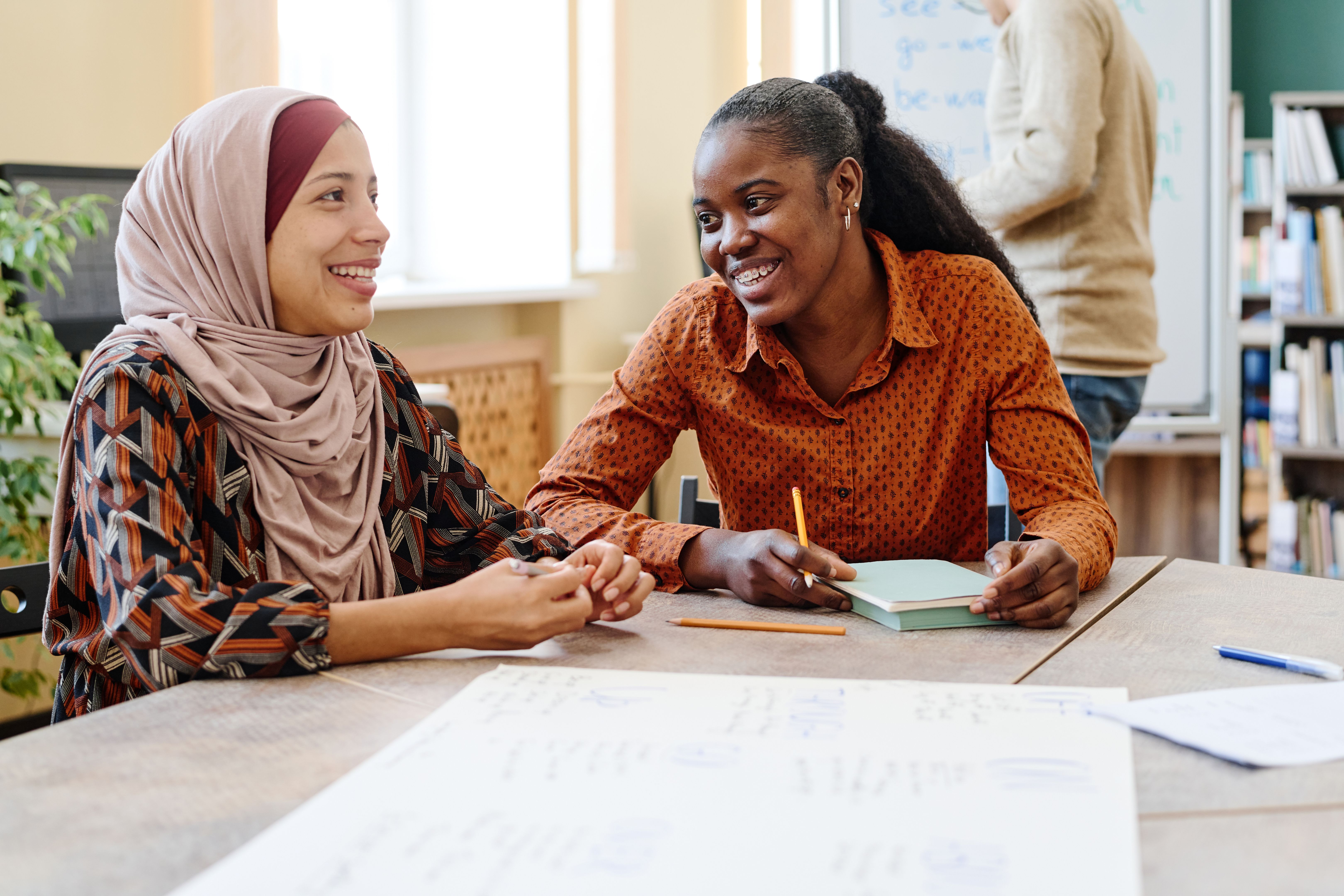
One of the most significant hurdles in refugee integration is the language barrier. Many refugees arrive in their host countries without proficiency in the local language, which can hinder their ability to find employment, access services, and connect with the community. Language classes and bilingual support services are essential tools to help bridge this gap.
Access to Employment
Finding stable employment is crucial for refugees to build a new life. However, they often face challenges such as lack of recognition of their qualifications, limited job opportunities, and workplace discrimination. Providing job training programs and creating partnerships with local businesses can improve employment prospects for refugees.

Housing and Accommodation
Securing appropriate housing is another major challenge. Many refugees experience difficulties due to high costs, limited availability, and, at times, discrimination. Governments and NGOs can play a key role in providing affordable housing solutions and supporting refugees in navigating the rental market.
Social and Cultural Integration
Social integration involves building connections within the community. This can be challenging due to cultural differences and societal perceptions. Community programs that encourage cultural exchange and mutual understanding can facilitate social integration and help refugees feel more at home.

Access to Education
Education is vital for refugee children and adults alike, offering a pathway to integration and personal development. Ensuring access to quality education, language support, and bridging programs can help refugees overcome educational barriers and succeed in their new environments.
Health and Well-being
Refugees often face physical and mental health challenges due to their experiences. Access to healthcare services, including mental health support, is critical. Community health initiatives and culturally sensitive care can improve health outcomes for refugee populations.
Building Community Support
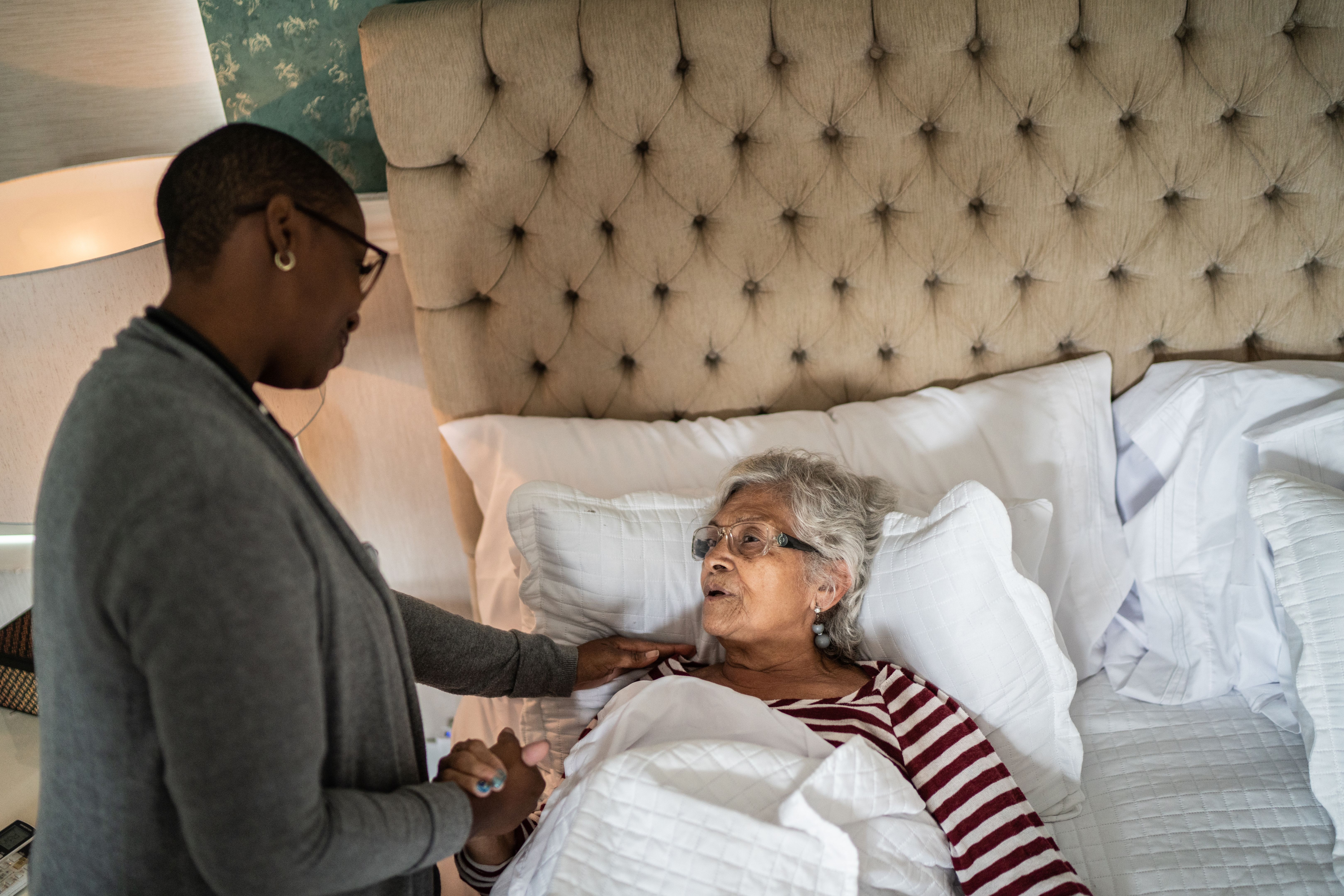
Strong community support networks can greatly enhance refugee integration. Local governments, NGOs, and community groups must work together to create welcoming environments. Volunteer programs and mentorship opportunities can connect refugees with locals, fostering mutual support and understanding.
In conclusion, overcoming the common challenges in refugee integration requires a collaborative approach. By addressing language barriers, employment, housing, education, health, and community support, we can create a more inclusive society that benefits everyone.